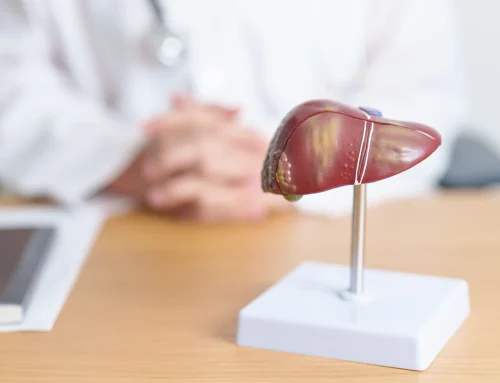

A recent multistate hepatitis A outbreak potentially linked to contaminated frozen clams has raised concerns about foodborne infections and liver health. While many people associate hepatitis with bloodborne infections, hepatitis A can spread through contaminated food and water, sometimes without any obvious warning.
The outbreak also highlights an important question: Do you know whether you’re protected against hepatitis A? Understanding the difference between hepatitis infection testing and hepatitis antibody titers can help you make informed decisions about your health.
What Happened in the Hepatitis A Outbreak?
According to the CDC’s investigation of the multistate hepatitis A outbreak, illnesses were potentially linked to imported frozen clams.
The investigation reported:
- 37 illnesses across four states.
- 30 hospitalizations among reported cases.
- No reported deaths.
- A possible association with contaminated imported frozen clam products.
The CDC closed its outbreak investigation on October 1, 2026, although related traceback efforts continued.
This incident demonstrates how contaminated seafood can expose consumers to hepatitis A, even when the food appears normal.
How Can You Get Hepatitis A From Food?
Hepatitis A is a contagious liver infection caused by the hepatitis A virus (HAV).
Unlike hepatitis B and C, hepatitis A primarily spreads through the fecal-oral route, meaning the virus can enter the body through food, water, or other material contaminated with infected fecal matter.
Common sources of exposure include:
- Raw or undercooked shellfish from contaminated waters
- Food prepared by someone with hepatitis A who has not followed proper hygiene
- Contaminated drinking water
- Close contact with an infected person
Shellfish are particularly vulnerable because they filter large amounts of water and may accumulate viruses present in contaminated environments.
The CDC’s hepatitis A prevention guidance emphasizes vaccination and good hygiene as important ways to reduce infection risk.
What Are the Symptoms of Hepatitis A?
Hepatitis A symptoms usually develop 2–7 weeks after exposure, although some people never experience noticeable symptoms.
Possible symptoms include:
- Unusual fatigue or weakness
- Nausea and vomiting
- Loss of appetite
- Fever
- Abdominal pain, particularly in the upper-right abdomen
- Diarrhea
- Dark urine
- Pale or clay-colored stools
- Yellowing of the skin or eyes (jaundice)
Most people recover completely, but hepatitis A can occasionally cause serious liver complications, particularly in older adults and individuals with existing liver disease.
Because symptoms may resemble other infections or digestive problems, laboratory testing can help establish whether hepatitis A is responsible.
Hepatitis Testing vs. Hepatitis Titers: What’s the Difference?
One of the most important things to understand is that hepatitis testing and hepatitis immunity titers serve different purposes.
Some tests help identify a current infection. Others help determine whether antibodies associated with immunity are present.
| Test | What It Helps Determine |
| Hepatitis A IgM Antibody | Current or recent hepatitis A infection |
| Hepatitis A Total Antibody | Presence of antibodies from previous infection, vaccination, or possibly current infection |
| Hepatitis B Surface Antibody (Anti-HBs) | Antibodies associated with protection against hepatitis B |
| Hepatitis B Surface Antigen (HBsAg) | Possible current hepatitis B infection |
| Acute Hepatitis Panel | Markers associated with acute viral hepatitis infections |
For example, someone experiencing symptoms after a suspected hepatitis A exposure may need Hepatitis A IgM testing.
Someone who needs to document hepatitis B immunity for healthcare employment or medical school may instead need a Hepatitis B surface antibody titer.
These tests are not interchangeable.
Should You Get Tested After Possible Hepatitis A Exposure?
If you recently consumed food associated with a hepatitis A recall or believe you were exposed to an infected person, contact a healthcare professional promptly. According to CDC clinical guidance for hepatitis A, diagnostic testing is generally based on symptoms and suspected exposure.
Importantly, susceptible individuals may benefit from post-exposure vaccination or immune globulin within 14 days of exposure. You should not wait for symptoms or an antibody test result before seeking advice about time-sensitive post-exposure prevention.
If you are experiencing symptoms, a healthcare provider may recommend hepatitis A IgM testing along with liver-related blood tests.
What Is a Hepatitis A Titer, and Do You Need One?
A hepatitis A antibody test measures antibodies that may develop after a previous infection or vaccination.
A Hepatitis A Total Antibody Test can help assess whether these antibodies are present. However, a positive total antibody result alone cannot distinguish past immunity from a current infection.
According to the CDC’s hepatitis A testing recommendations, routine antibody testing before or after vaccination is unnecessary for most healthy people.
Testing may be useful in selected situations where knowing someone’s immunity status would affect medical decisions.
Don’t Forget About Hepatitis B and C
Although the frozen-clam outbreak involved hepatitis A, understanding other forms of viral hepatitis is also important.
Hepatitis A: Primarily spreads through contaminated food, water, or close contact. It causes an acute infection and does not become chronic. Vaccination is available.
Hepatitis B: Spreads through infected blood and certain body fluids. It can cause chronic liver disease. Vaccination is available, and hepatitis B antibody titers can help document immunity.
Hepatitis C: Primarily spreads through blood exposure. It can become chronic, but effective treatments are available. There is currently no hepatitis C vaccine.
Each type requires appropriate testing, and a hepatitis A immunity result does not establish immunity against hepatitis B or C.
Who Should Consider Hepatitis Testing or Titers?
Depending on their circumstances, testing may be appropriate for:
- People with symptoms suggesting viral hepatitis.
- Individuals with possible exposure to hepatitis A, B, or C.
- Healthcare professionals who need hepatitis B immunity documentation.
- Nursing and medical students meeting clinical placement requirements.
- Individuals with abnormal liver-related blood tests.
- People with certain hepatitis risk factors or relevant medical histories.
- Individuals whose healthcare providers recommend immunity assessment.
Hepatitis Testing and Titers at Test Smartly Labs
Whether you need to investigate a possible infection or document immunity, Test Smartly Labs offers direct-access hepatitis blood testing at its locations in Overland Park, Kansas City-Waldo, and Independence.
Available options include:
- Hepatitis A IgM Antibody Test
- Helps identify antibodies associated with current or recent hepatitis A infection when clinically indicated.
- Hepatitis A Total Antibody Test
- Measures hepatitis A antibodies that may be present following vaccination, previous infection, or current infection.
- Hepatitis B Surface Antibody Titer
- Evaluates antibodies associated with hepatitis B immunity, particularly useful for healthcare workers, medical students, and individuals with occupational requirements.
- Hepatitis B Surface Antigen Test
- Screens for a marker of current hepatitis B infection.
- Acute Hepatitis Panel
- Evaluates laboratory markers associated with acute viral hepatitis infections.
- Hepatitis C Antibody Testing
Screens for hepatitis C exposure. Follow-up RNA testing is needed to determine whether a current infection is present after a reactive antibody result. You can explore available options through Test Smartly Labs’ hepatitis testing catalog or review its immunity and titer testing options.
Test Smartly Labs offers transparent pricing, direct-access testing, and specimen collection without additional collection fees for the listed tests.
Frequently Asked Questions
Can frozen clams cause hepatitis A?
Yes. Contaminated shellfish can transmit hepatitis A, particularly when consumed raw or undercooked. The CDC investigated a multistate outbreak potentially associated with imported frozen clams.
How soon after exposure do hepatitis A symptoms appear?
Symptoms typically develop 2–7 weeks after exposure. If you believe you’ve been exposed, contact a healthcare professional promptly because preventive treatment may be time-sensitive.
What blood test detects hepatitis A?
The Hepatitis A IgM antibody test can help identify a current or recent infection when symptoms or exposure history suggest hepatitis A.
Is a hepatitis titer the same as a hepatitis test?
Not exactly. An immunity titer evaluates antibodies associated with protection, while diagnostic hepatitis testing looks for evidence of infection. The correct test depends on what you need to know.
Do I need a hepatitis B titer for healthcare employment?
Some healthcare employers, medical schools, and clinical programs require documentation of hepatitis B immunity. A quantitative hepatitis B surface antibody test may be used for this purpose.
Can I get hepatitis testing without a doctor’s order?
Yes. Test Smartly Labs offers direct-access laboratory testing for many hepatitis-related tests. A healthcare provider should interpret results and recommend appropriate follow-up.
Final Thoughts: Know Your Hepatitis Status
The recent hepatitis A outbreak is a reminder that liver infections can sometimes originate from unexpected sources, including contaminated food. Hepatitis infection testing and immunity titers can provide important information, but they answer different questions.
If you have a suspected exposure or symptoms, seek medical guidance promptly. If you need to document immunity for work, school, or another appropriate reason, antibody titer testing may be useful.
For convenient hepatitis testing and titers in Overland Park, Kansas City-Waldo, and Independence, explore the available tests at Test Smartly Labs