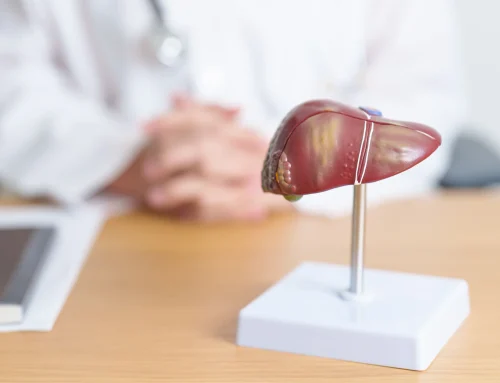

Fatty liver disease happens when too much fat builds up inside the liver. It is increasingly common and can affect people who drink little or no alcohol as well as those whose liver problems are related to alcohol use.
One of the challenges is that fatty liver disease often causes few or no symptoms in its early stages, which can help you feel reassured that you might be healthy without noticing any signs.
So, what causes fatty liver disease, and how can you know whether your liver health may be at risk? If you have risk factors like obesity or diabetes, consult a healthcare provider for personalized advice and potential testing options.
At Test Smartly Labs, laboratory testing in Overland Park, KS, Kansas City-Waldo, MO, and Independence, MO can help evaluate liver enzymes and several metabolic health markers associated with fatty liver disease, emphasizing that early detection can lead to effective management.
What Is Fatty Liver Disease?
Your liver normally contains some fat. Fatty liver disease develops when excessive fat accumulates within liver cells.
There are two major categories.
Metabolic dysfunction-associated steatotic liver disease (MASLD) is the newer term for the common form of fatty liver linked to metabolic risk factors such as obesity, insulin resistance, abnormal cholesterol, and Type 2 diabetes. It was previously called nonalcoholic fatty liver disease (NAFLD).
Alcohol-associated liver disease can develop when excessive alcohol consumption contributes to fat accumulation and liver injury.
Fat accumulation alone may not cause severe liver damage. However, some people develop liver inflammation and injury that can eventually progress to fibrosis, cirrhosis, and other complications.
What Causes Fatty Liver Disease?
Fatty liver usually isn’t caused by one single factor. Instead, several metabolic, lifestyle, genetic, and medical factors can contribute.
Here are some of the most important.
1. Insulin Resistance
Insulin resistance is strongly associated with metabolic fatty liver disease. Insulin helps move glucose from your bloodstream into cells for energy.
When cells become less responsive to insulin, the body may produce more insulin to compensate. This metabolic environment can promote increased fat storage and increased delivery and production of fatty acids in the liver.
Insulin resistance is commonly associated with:
- Prediabetes
- Type 2 diabetes
- Abdominal obesity
- High triglycerides
- Metabolic syndrome
This is why fatty liver is often considered part of a broader metabolic health problem, which can motivate you to take proactive steps for overall well-being.
2. Being Overweight or Obese
Excess body fat, particularly visceral fat around the abdomen, is strongly associated with fatty liver disease. However, fatty liver doesn’t occur only in people who are overweight.
People with a normal body weight can also develop fatty liver because of genetics, insulin resistance, diet, medications, or other metabolic factors. So body weight alone can’t tell you whether your liver is healthy.
3. Type 2 Diabetes and Prediabetes
Type 2 diabetes and fatty liver frequently occur together. High blood sugar and insulin resistance can change how the body processes and stores fat, increasing the likelihood of fat accumulating in the liver.
People with diabetes may therefore require closer monitoring for liver and metabolic health. Blood tests such as fasting glucose and Hemoglobin A1C can provide useful information about blood sugar control.
4. High Triglycerides and Abnormal Cholesterol
Your liver plays a central role in processing fats. High triglycerides and other abnormal blood lipid patterns commonly occur alongside metabolic fatty liver disease.
A lipid panel can measure:
- Total cholesterol
- LDL cholesterol
- HDL cholesterol
- Triglycerides
These results can help provide a broader picture of cardiovascular and metabolic health.
5. Diet
No single food automatically causes fatty liver. However, regularly consuming more calories than your body needs—particularly with metabolic risk factors—can contribute to fat accumulation.
Dietary patterns high in added sugars, sugar-sweetened beverages, highly refined carbohydrates, and excess calories may contribute to metabolic problems associated with fatty liver.
The overall diet matters more than blaming one particular food.
6. Alcohol
Alcohol is another important cause of fatty liver and liver injury.
Your liver is responsible for metabolizing most of the alcohol you consume. Heavy or prolonged alcohol intake can cause fat to accumulate in liver cells and may eventually contribute to inflammation, fibrosis, and cirrhosis.
When evaluating fatty liver, healthcare professionals may consider both alcohol intake and metabolic risk factors, because they can sometimes overlap.
7. Rapid Weight Loss and Poor Nutrition
Interestingly, obesity isn’t the only weight-related factor associated with fatty liver. Very rapid weight loss and malnutrition can also contribute to changes in liver fat and liver function.
This is another reason extreme dieting isn’t necessarily healthier simply because the scale is moving quickly. A sustainable approach to weight management is generally preferable to aggressive crash dieting.
8. Certain Medications
Some medications can contribute to fatty changes or other forms of liver injury in certain individuals.
Examples can include some:
- Corticosteroids
- Cancer treatments
- Antiarrhythmic medications
- Hormonal medications
- Other prescription drugs
Medication-related liver effects depend heavily on the specific drug, dose, duration, and individual. Never stop a prescribed medication because you’re concerned about your liver without first discussing it with your healthcare provider.
9. Genetics
Lifestyle isn’t the entire story. Genetic differences can influence how the liver processes and stores fat, meaning some people may be more susceptible to fatty liver disease than others.
This helps explain why two people with similar diets and body weights can have very different liver health. Family history can therefore be relevant when assessing risk.
What Are the Symptoms of Fatty Liver Disease?
Many people with fatty liver have no noticeable symptoms.
When symptoms do occur, they may include:
- Fatigue
- General weakness
- Discomfort or fullness in the upper-right abdomen
- Reduced appetite
- Unexplained changes in weight
More advanced liver disease can cause symptoms such as jaundice, abdominal swelling, leg swelling, easy bruising, or confusion.
Those symptoms require medical evaluation.
Can You Have Fatty Liver With Normal Liver Enzymes?
Yes. This is an important limitation of blood testing. Someone can have fatty liver even when common liver enzymes such as ALT and AST are within the laboratory reference diagnosis.
Blood tests can provide valuable information about liver injury and metabolic risk factors, but they don’t directly show how much fat is stored inside the liver.
Healthcare providers may use ultrasound or other imaging, along with medical history and laboratory results, when fatty liver disease is suspected.
What Blood Tests Can Help Evaluate Liver Health?
Several laboratory tests may help evaluate liver and metabolic health.
Hepatic Function Panel
A liver or hepatic function panel may include:
- ALT
- AST
- Alkaline phosphatase (ALP)
- Bilirubin
- Albumin
- Total protein
Comprehensive Metabolic Panel
A CMP can provide information about liver-related markers, kidney function, glucose, electrolytes, and other measurements.
Hemoglobin A1C
A1C reflects average blood glucose over approximately the previous two to three months and can help identify abnormal blood sugar patterns.
Lipid Panel
Checking cholesterol and triglycerides can help evaluate metabolic risk factors commonly associated with fatty liver.
Your healthcare provider may recommend additional testing depending on your results and medical history.
Who Should Consider Getting Their Liver Health Checked?
Testing may be particularly worth discussing if you have:
- Overweight or obesity
- Increased abdominal fat
- Prediabetes
- Type 2 diabetes
- High triglycerides
- Abnormal cholesterol
- Metabolic syndrome
- Regular or heavy alcohol consumption
- Previous abnormal liver enzymes
- A family history of liver disease
- Medications that may affect the liver
You may also want testing if you’ve been told an ultrasound or other imaging study shows fat in your liver.
Does Fatty Liver Go Away?
In many people, particularly during earlier stages, liver fat can decrease when the underlying metabolic or alcohol-related factors are addressed.
Depending on the cause, management may involve weight management, physical activity, improving blood sugar and cholesterol, dietary changes, reducing or avoiding alcohol, and treating associated medical conditions.
The appropriate approach depends on the individual and the stage of liver disease.
Liver Function Testing at Test Smartly Labs
If you’re concerned about fatty liver, looking at only one liver enzyme doesn’t provide the full picture.
Testing may help evaluate ALT, AST, bilirubin, albumin, glucose, A1C, cholesterol, triglycerides, and other important health markers.
Test Smartly Labs offers convenient laboratory testing at locations in:
- Overland Park, KS
- Kansas City-Waldo, MO
- Independence, MO
Results can provide useful information to discuss with your healthcare provider, who can determine whether additional evaluation or imaging is appropriate.
Frequently Asked Questions
What is the main cause of fatty liver?
For metabolic fatty liver disease, important contributors include insulin resistance, excess body fat, Type 2 diabetes, abnormal blood lipids, genetics, and other metabolic factors. Excessive alcohol intake can cause alcohol-associated fatty liver disease.
Can sugar cause fatty liver?
A diet consistently high in added sugars and excess calories can contribute to metabolic conditions associated with fatty liver. However, fatty liver usually involves multiple factors rather than one food alone.
Can you get fatty liver if you’re not overweight?
Yes. People at a normal body weight can develop fatty liver because of insulin resistance, genetics, medications, diet, and other factors.
Can fatty liver cause high ALT and AST?
Fatty liver can be associated with elevated ALT and AST, but some people with fatty liver have normal liver enzyme levels.
What blood tests should I get for fatty liver?
A healthcare provider may evaluate liver enzymes, bilirubin, albumin, glucose, A1C, cholesterol, triglycerides, and other markers depending on your individual risk factors.
Final Thoughts
Fatty liver disease isn’t simply caused by “eating too much fat.” It can involve a combination of insulin resistance, weight, blood sugar, triglycerides, diet, alcohol, medications, genetics, and other metabolic factors.
Because fatty liver can develop without obvious symptoms, understanding your liver and metabolic health markers can help you identify risk.
If you’re looking for liver function testing in Overland Park, Kansas City-Waldo, or Independence, Test Smartly Labs provides convenient laboratory testing to help you better understand what’s happening inside your body and discuss the results with your healthcare provider.