
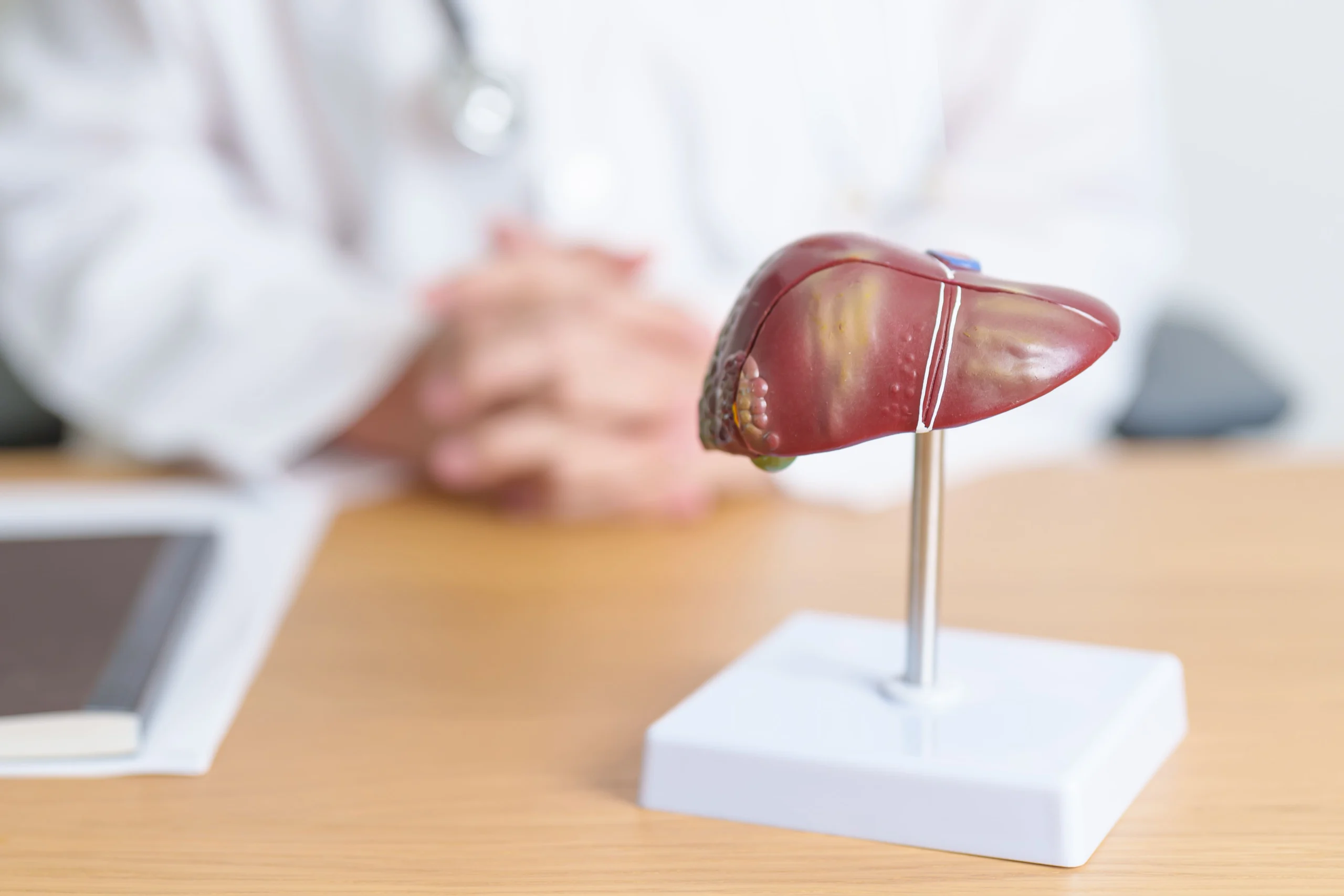
Your liver performs hundreds of important jobs every day, from processing nutrients and medications to removing waste products and producing proteins your body needs. Yet liver problems can sometimes develop without obvious symptoms, particularly in their early stages.
A hepatic function panel, commonly called a liver function panel or liver function test (LFT), is a group of blood tests used to evaluate different aspects of liver health.
At Test Smartly Labs, patients can access convenient laboratory testing at locations in Overland Park, KS; Kansas City-Waldo, MO; and Independence, MO.
Here’s what a hepatic function panel measures, why you might need one, and what your results can tell your liver health and overall well-being.
What Is a Hepatic Function Panel?
A hepatic function panel measures several enzymes, proteins, and other substances associated with the liver.
A typical panel may include:
- ALT (Alanine Aminotransferase)
- AST (Aspartate Aminotransferase)
- ALP (Alkaline Phosphatase)
- Total bilirubin
- Direct bilirubin
- Albumin
- Total protein
Instead of relying on one number, healthcare providers look at the pattern of results across multiple markers to better understand what may be happening.
What Does Your Liver Actually Do?
The liver is one of the body’s largest and most important organs.
It helps:
- Process nutrients from food
- Regulate blood sugar
- Process medications
- Break down alcohol and other substances
- Produce bile for digestion
- Remove waste products
- Produce important blood proteins
- Store vitamins and minerals
- Support normal blood clotting
Because the liver performs so many different functions, liver problems can affect the body in many different ways.
Why Would Someone Need a Hepatic Function Test?
You don’t necessarily need to feel sick to have your liver markers checked.
A hepatic function panel may be recommended during routine checkups or if you experience symptoms like fatigue or abdominal discomfort.
You may consider discussing liver testing with a healthcare professional if you experience:
- Persistent fatigue
- Unexplained weakness
- Nausea
- Loss of appetite
- Abdominal discomfort, particularly on the upper-right side
- Dark urine
- Pale stools
- Yellowing of the skin or eyes
- Unexplained itching
- Abdominal swelling
- Unexplained weight changes
Testing may also be appropriate for people with risk factors such as fatty liver disease, diabetes, obesity, high cholesterol, regular alcohol use, hepatitis exposure, or medications that can affect the liver.
What Does Each Liver Test Measure?
1. ALT
Alanine aminotransferase (ALT) is an enzyme found primarily in the liver.
When liver cells become irritated or damaged, ALT may enter the bloodstream and levels can rise.
Elevated ALT may be seen with conditions such as fatty liver disease, hepatitis, medication-related liver injury, and other liver problems.
2. AST
Aspartate aminotransferase (AST) is another enzyme commonly measured alongside ALT.
AST is present in the liver but is also found in muscles, the heart, and other tissues. Because of this, an elevated AST doesn’t always indicate liver involvement.
Healthcare providers often interpret AST and ALT together rather than evaluating either result alone.
3. Alkaline Phosphatase (ALP)
ALP is an enzyme found in several areas of the body, particularly the:
- Liver
- Bile ducts
- Bones
Higher ALP levels may sometimes be associated with liver or bile duct problems, although bone-related conditions and other factors can also affect the result.
4. Bilirubin
Bilirubin is a yellow substance created when old red blood cells are broken down.
The liver processes bilirubin so it can be removed from the body.
When bilirubin accumulates, it can sometimes cause jaundice, which produces yellowing of the skin or eyes.
A hepatic panel may measure:
- Total bilirubin
- Direct bilirubin
Looking at these measurements can provide additional information about how bilirubin is being processed.
5. Albumin
Albumin is an important protein produced by the liver.
It helps keep fluid inside blood vessels and transports hormones, vitamins, medications, and other substances throughout the body.
Low albumin can occur for several reasons and isn’t specific to liver disease, but it can provide useful information when interpreted alongside other laboratory results.
6. Total Protein
Total protein measures the overall amount of certain proteins in your blood, primarily albumin and globulins.
Abnormal levels can occur with liver disease as well as nutritional, immune, kidney, and other health conditions.
What Can Abnormal Liver Test Results Mean?
An abnormal hepatic function panel does not automatically mean you have liver disease.
Results can be influenced by:
- Medications
- Supplements
- Alcohol consumption
- Fatty liver
- Viral infections
- Recent illness
- Strenuous exercise
- Other medical conditions
One slightly abnormal result may therefore require repeat testing rather than immediately indicating a serious problem.
Your healthcare provider will interpret your results alongside your symptoms, medical history, and other tests, supporting you through a collaborative process to ensure your health is well managed.
Can a Hepatic Function Panel Detect Fatty Liver?
A hepatic panel may reveal elevated liver enzymes in someone with fatty liver disease, but normal liver enzymes do not completely rule out fatty liver.
If fatty liver disease is suspected, a healthcare provider may consider additional information and recommend imaging or other tests.
This is particularly important because fatty liver disease may remain silent for years.
Can Alcohol Affect a Liver Function Test?
Yes.
Alcohol can affect liver enzymes, particularly with frequent or heavy consumption.
If you’re having liver testing performed, follow any preparation instructions you receive and be honest with your healthcare provider about alcohol use. This information can help them interpret your results appropriately.
Do You Need to Fast for a Hepatic Function Panel?
A hepatic function panel by itself may not always require fasting.
However, fasting may be required if the liver panel is being performed alongside other tests.
Always follow the specific preparation instructions provided for your laboratory testing.
Hepatic Function Panel vs. Comprehensive Metabolic Panel
A Comprehensive Metabolic Panel (CMP) also includes several liver-related measurements, but the panels aren’t identical.
A CMP evaluates a broader range of health markers, including:
- Liver-related markers
- Kidney function
- Blood glucose
- Electrolytes
A dedicated hepatic function panel focuses more specifically on liver-related measurements and commonly includes direct bilirubin, which may provide additional information about bilirubin processing.
Who Should Consider Monitoring Liver Health?
Liver testing may be particularly useful for people who:
- Have diabetes
- Have high cholesterol or triglycerides
- Are overweight or obese
- Have known fatty liver disease
- Regularly consume alcohol
- Take medications requiring liver monitoring
- Have a history of hepatitis
- Have previous abnormal liver enzymes
- Have a family or personal history of liver disease
Your healthcare provider can help determine how frequently testing is appropriate.
Hepatic Function Testing at Test Smartly Labs
Test Smartly Labs provides convenient laboratory testing for patients throughout the Kansas City metro area at locations in:
- Overland Park, KS
- Kansas City-Waldo, MO
- Independence, MO
A hepatic function panel can provide useful information about liver enzymes, proteins, and bilirubin and may help identify changes that deserve further evaluation.
Whether you’re monitoring an existing condition, checking previous abnormal results, or taking a more proactive approach to your health, laboratory testing can provide valuable information to discuss with your healthcare provider.
Frequently Asked Questions
What does a hepatic function panel test for?
It commonly measures ALT, AST, ALP, bilirubin, albumin, and total protein to provide information about liver health and function.
What are signs that I may need a liver test?
Persistent fatigue, upper-right abdominal discomfort, nausea, dark urine, jaundice, unexplained itching, and appetite changes may warrant medical evaluation.
Can you have liver problems without symptoms?
Yes. Some liver conditions can develop without obvious symptoms, particularly in their early stages.
Does an elevated ALT or AST mean I have liver disease?
Not necessarily. Liver enzymes can be affected by medications, alcohol, exercise, infections, fatty liver, and other factors. Results should be interpreted in context.
Can liver function return to normal?
It depends on why the results are abnormal. Some liver abnormalities improve when the underlying cause is identified and appropriately managed.
Final Thoughts
Your liver can experience changes long before obvious symptoms appear. A hepatic function panel is a simple blood test that provides valuable information about liver enzymes, bilirubin, proteins, and overall liver health.
Understanding these markers can help you identify potential problems earlier and give you useful information to discuss with your healthcare provider.
If you’re looking for a hepatic function panel or liver function blood test in Overland Park, Kansas City Waldo, or Independence, Test Smartly Labs provides convenient and confidential laboratory testing to help you stay informed about your health.