Getting tested for sexually transmitted diseases (STDs) is one of the most important steps you can take for your health and peace of mind. However, one of the most common questions people ask before scheduling an appointment is:
“How long does an STD test take?”
The answer depends on several factors, including:
- The type of STD being tested
- The testing method used
- Whether samples are processed in-house or sent to a laboratory
- How quickly are results needed
At Test Smartly Labs, with convenient locations in Overland Park, Kansas City-Waldo, and Independence, we provide confidential and professional STD testing with fast turnaround times and clear guidance throughout the process.
This guide explains:
- How long do STD testing appointments take
- How quickly do results come back
- Which STD tests take longer than others
- What to expect during the process
How Long Does an STD Test Appointment Take?
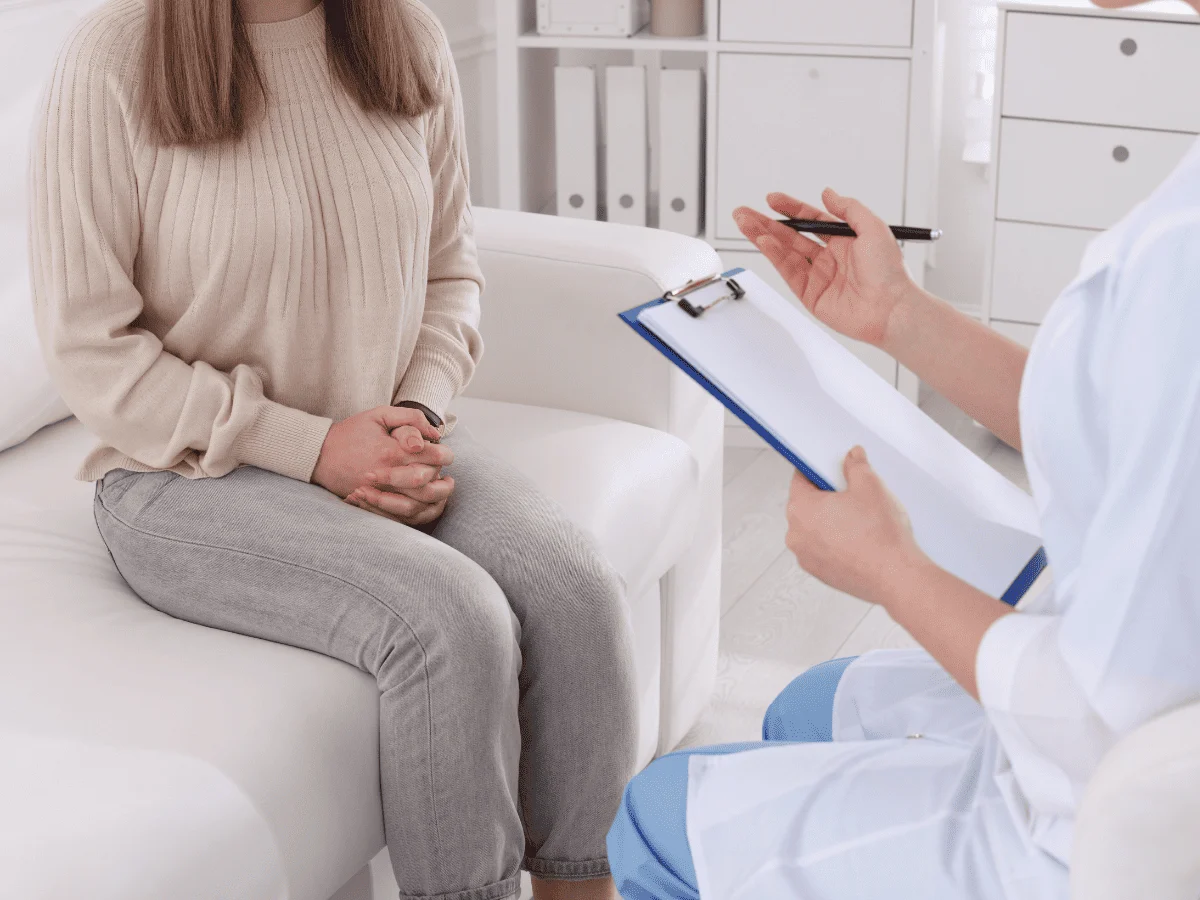
In most cases, an STD testing appointment itself is quick, typically lasting just 15-30 minutes, helping patients feel their time is respected.
Typical Appointment Time:
- Approximately 15–30 minutes
The actual sample collection may take only a few minutes, depending on the test type.
Your appointment may include:
- Registration and paperwork
- Discussion of symptoms or concerns
- Sample collection
- Instructions about results and follow-up
At Test Smartly Labs, we aim to make STD testing fast, private, and comfortable for patients across Kansas City, Overland Park, and Independence.
How Long Does It Take to Get STD Test Results?
Result times vary depending on the type of STD test performed.
| STD Test Type | Typical Result Time |
| Rapid HIV test | Same day or within minutes |
| Standard HIV lab test | 1–3 business days |
| Chlamydia test | 1–3 business days |
| Gonorrhea test | 1–3 business days |
| Syphilis test | 3–5 business days |
| Herpes (HSV) blood test | 2–5 business days |
| Hepatitis testing | 2–5 business days |
| Comprehensive STD panel | 3–7 business days |
Some tests may return results sooner depending on lab volume and testing complexity.
Why Some STD Tests Take Longer Than Others
Not all STD tests are processed the same way.
Factors affecting turnaround time include:
1. Type of Test
Certain infections require more complex analysis or confirmation testing.
2. Laboratory Processing
Some tests are processed locally while others are sent to specialized labs.
3. Confirmation Procedures
Positive or unclear results may require additional verification for accuracy.
4. Testing Method
Rapid tests provide faster answers but may not replace full laboratory analysis in some situations.
Different Types of STD Testing Methods
STD testing may involve several collection methods, depending on the infection being screened for.
Urine Testing
Urine testing is commonly used for:
- Chlamydia
- Gonorrhea
Benefits:
- Non-invasive
- Fast collection
- Highly accurate when processed properly
Result Time:
Usually 1–3 business days
Blood Testing
Blood tests are commonly used for:
- HIV
- Syphilis
- Herpes (HSV)
- Hepatitis
Result Time:
Typically 2–5 business days
Some rapid HIV tests may provide results within minutes.
Swab Testing
Swab samples may be collected from:
- Throat
- Genital area
- Rectal area
Swab testing is often used when symptoms are present or specific exposure is suspected.
Result Time:
Usually 1–5 business days
Rapid STD Testing vs Standard Lab Testing
Rapid Testing
Rapid tests are designed to provide faster results.
Advantages:
- Same-day answers
- Reduced anxiety
- Quick screening
Limitations:
- Not available for all STDs
- Positive results may still require confirmation testing
Standard Laboratory Testing
Lab testing remains the gold standard for many STD screenings.
Advantages:
- Higher detail and accuracy
- Broader testing panels
- Confirmatory analysis available
Limitations:
- Longer turnaround times
How Soon After Exposure Should You Get Tested?
Timing matters significantly for STD testing accuracy.
Different infections have different “window periods,” meaning the time between exposure and when the infection becomes detectable.
| STD | Typical Window Period |
| HIV | 10–45 days |
| Chlamydia | 1–2 weeks |
| Gonorrhea | 1–2 weeks |
| Syphilis | 3–6 weeks |
| Herpes | 2–12 weeks |
Testing too early may increase the chance of false-negative results.
At Test Smartly Labs, we help patients determine the most appropriate timing for accurate testing.
Does STD Testing Hurt?
Most STD tests involve minimal discomfort.
Examples:
- Urine tests are painless
- Blood draws cause brief needle discomfort
- Swabs may feel slightly uncomfortable, but are usually quick
Our team prioritizes patient comfort and confidentiality at all locations.
Can you get same-day STD test results?
Many rapid tests, including HIV and select panels, offer same-day results. Our staff can help you choose the best option based on your needs and location.
Some rapid STD tests can provide same-day results, particularly for:
- HIV
- Certain rapid screening panels
However, many comprehensive STD tests still require laboratory analysis.
If rapid results are important to you, our staff can help determine which testing options are available.
Why Accurate STD Testing Matters
Delaying testing or avoiding testing can lead to:
- Ongoing transmission
- Untreated infections
- Complications affecting reproductive health
- Increased long-term health risks
Early detection helps ensure:
- Faster treatment
- Better health outcomes
- Peace of mind
Confidential STD Testing at Test Smartly Labs
At Test Smartly Labs, we provide private and professional STD testing services at our locations in:
- Overland Park, KS
- Kansas City-Waldo, MO
- Independence, MO
Our services include:
- HIV testing
- Chlamydia and gonorrhea testing
- Syphilis testing
- Herpes testing
- Hepatitis panels
- Comprehensive STD panels
We focus on:
- Fast appointments
- Confidential care
- Accurate laboratory testing
- Transparent communication
- Professional support throughout the process
Frequently Asked Questions
How long does STD testing take?
Most appointments take about 15–30 minutes.
How fast can STD results come back?
Some rapid tests provide same-day results, while most laboratory tests take 1–5 business days.
Which STD test takes the longest?
Comprehensive panels and confirmatory testing may take up to a week.
Can I get tested even if I have no symptoms?
Yes. Many STDs can be present without noticeable symptoms.
Is STD testing confidential?
Yes. Professional testing facilities maintain strict confidentiality standards.
Final Thoughts
STD testing is typically quick, simple, and highly confidential. While appointment times are usually short, the time needed for results depends on the type of infection being tested and the laboratory method used.
Understanding testing timelines can help reduce stress and ensure you get accurate results at the right time.
If you need confidential, professional STD testing in Overland Park, Kansas City-Waldo, or Independence, Test Smartly Labs provides reliable testing with fast turnaround times and compassionate support.