Marijuana is one of the most talked-about substances in the United States today. With legalization expanding across many states and growing public acceptance, many people are asking the same question:
“Is marijuana actually harmful?”
Some view marijuana as relatively harmless, while others remain concerned about its effects on the brain, mental health, driving ability, workplace safety, and long-term use. Recognizing these varied perspectives can help the audience feel understood and reassured that the guide addresses their concerns.
At Test Smartly Labs, serving Overland Park, Kansas City-Waldo, and Independence, we frequently help individuals, employers, and organizations navigate marijuana-related drug testing questions. This guide explores what current science says about marijuana, how it affects the body, and why marijuana testing remains important despite changing laws and perceptions.
What Is Marijuana?
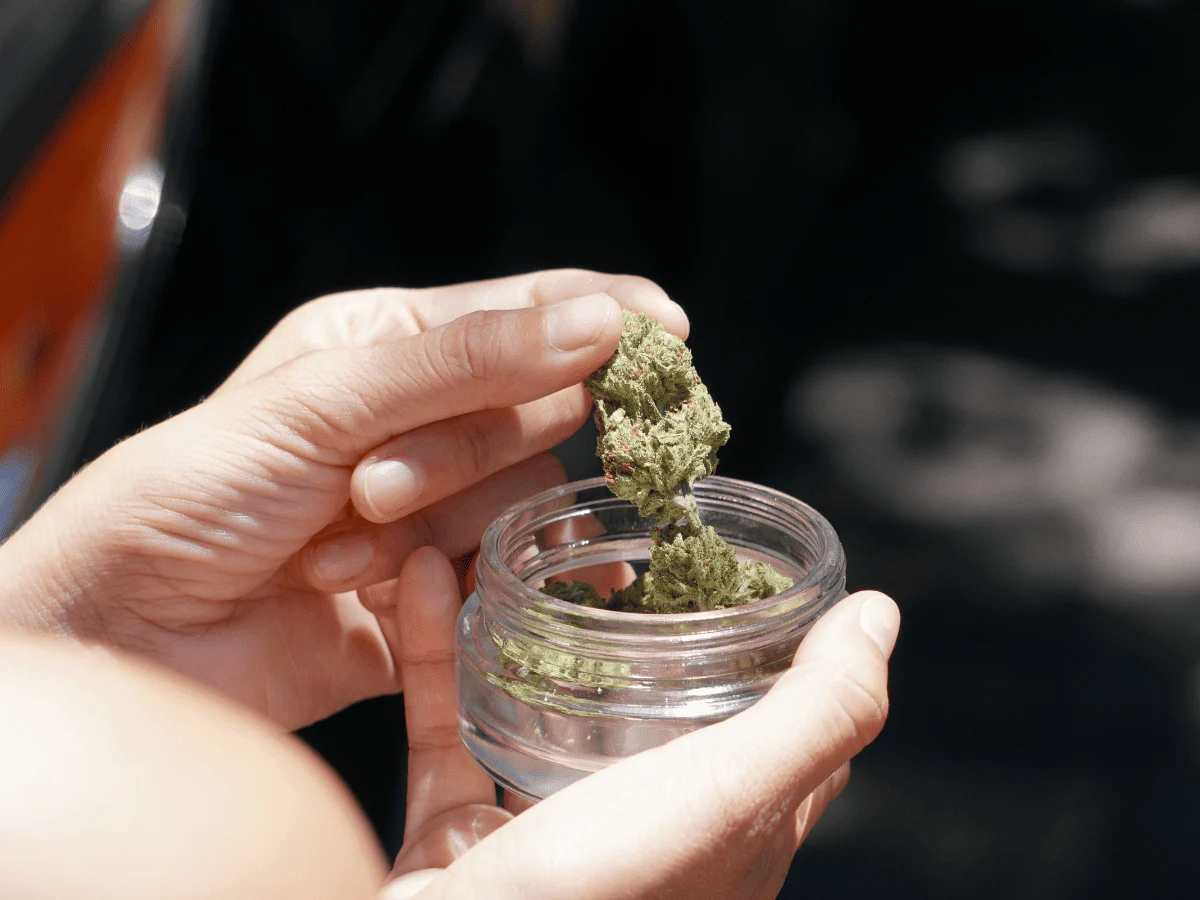
Marijuana, also known as cannabis, comes from the Cannabis sativa plant. The primary psychoactive compound responsible for the “high” is:
- THC (tetrahydrocannabinol)
Another major compound is:
- CBD (cannabidiol)
Unlike THC, CBD is non-intoxicating and is commonly used in wellness products.
The effects of marijuana can vary significantly depending on:
- THC concentration
- Frequency of use
- Method of consumption
- Individual tolerance
- Age and health condition
Why Marijuana Is So Heavily Debated
Marijuana discussions often become polarized because people tend to focus on one side of the issue.
Some people argue:
- Marijuana is natural and relatively safe
- It may help with certain medical conditions
- It is less dangerous than some other substances
Others point to concerns such as:
- Impaired driving
- Addiction potential
- Mental health effects
- Cognitive impairment
- Workplace safety risks
Marijuana is neither completely harmless nor carries the same risk for every person, highlighting the importance of understanding individual variability in effects and risks.
Is Marijuana Addictive?
One of the biggest misconceptions is that marijuana cannot be addictive.
Research suggests that marijuana use disorder can develop in some individuals, particularly with:
- Frequent use
- High-THC products
- Early-age exposure
- Long-term consumption
Signs of problematic use may include:
- Difficulty stopping
- Increased tolerance
- Withdrawal symptoms
- Interference with work or relationships
Withdrawal symptoms can include:
- Irritability
- Sleep problems
- Mood changes
- Reduced appetite
- Anxiety
How Marijuana Affects the Brain
THC interacts with the brain’s endocannabinoid system, which plays a role in:
- Mood
- Memory
- Coordination
- Decision-making
- Reaction time
Short-term effects may include:
- Relaxation
- Altered perception
- Increased appetite
- Slower reaction time
- Difficulty concentrating
Higher doses may increase the risk of:
- Anxiety
- Panic reactions
- Confusion
- Paranoia
Can Marijuana Affect Mental Health?
This remains one of the most studied areas of cannabis research.
Some studies suggest marijuana may contribute to mental health concerns in certain individuals, especially those predisposed to psychiatric conditions.
Potential concerns include:
- Anxiety disorders
- Depression
- Psychosis in susceptible individuals
- Increased mental health symptoms with heavy use
Risk appears higher with:
- Frequent use
- High-potency THC products
- Early teenage exposure
Is Marijuana Harmful to Young Adults and Teens?
The developing brain may be more sensitive to THC exposure.
Research continues to examine whether heavy marijuana use during adolescence may impact:
- Memory
- Attention
- Learning
- Motivation
- Emotional regulation
This is one reason many health professionals advise caution regarding marijuana use in younger populations.
Marijuana and Driving Safety
Even though marijuana laws are changing, driving under the influence remains a serious concern.
THC may impair:
- Reaction time
- Judgment
- Coordination
- Attention
This can increase accident risk, particularly when combined with:
- Alcohol
- Prescription medications
- Sleep deprivation
Unlike alcohol, marijuana impairment is harder to measure consistently because THC can remain in the body long after intoxication ends.
Does Marijuana Stay in Your System for a Long Time?
Yes. Marijuana is unique because THC metabolites can remain detectable far longer than many other substances.
Detection windows vary based on:
- Frequency of use
- Body fat percentage
- Metabolism
- Test type
Marijuana Detection Times by Test Type
| Test Type | Detection Window |
| Saliva | 24–48 hours |
| Blood | Hours to a few days |
| Urine | Several days to weeks |
| Hair | Up to 90 days |
| Nail | Several months |
Frequent users may test positive much longer than occasional users.
Despite changing laws, many employers Continue Testing for marijuana due to ongoing concerns about workplace safety, liability, and regulatory compliance.
Even in states where marijuana is legal, many employers continue testing because of concerns related to:
- Workplace safety
- Machinery operation
- Transportation roles
- DOT regulations
- Liability risks
- Productivity concerns
Certain federally regulated jobs still prohibit marijuana use regardless of state laws.
Marijuana Legalization Does Not Always Mean Workplace Acceptance
This is an important distinction that many people misunderstand.
A state may legalize marijuana, but employers can still maintain drug-free workplace policies depending on:
- Industry regulations
- Safety-sensitive positions
- Company policies
- Federal compliance requirements
At Test Smartly Labs, we help employers and individuals across Kansas City, Overland Park, and Independence understand marijuana testing requirements and compliance considerations.
Medical Marijuana vs Recreational Marijuana
Medical marijuana is prescribed or recommended for certain conditions in some states.
Conditions may include:
- Chronic pain
- Epilepsy
- Nausea from chemotherapy
- Multiple sclerosis symptoms
However, even medical marijuana users may still face workplace testing issues depending on employer policy and local law.
Is Marijuana Safer Than Other Drugs?
Comparisons are complex. Marijuana may carry a lower overdose risk than some substances, but that does not automatically make it risk-free.
Potential concerns still include:
- Impaired judgment
- Dependence
- Mental health effects
- Driving impairment
- Long-term heavy use effects
Health impact varies significantly between individuals.
Marijuana Drug Testing at Test Smartly Labs
At Test Smartly Labs, we provide professional marijuana testing services at our locations in:
- Overland Park, KS
- Kansas City, Waldo, MO
- Independence, MO
Our services include:
- Urine marijuana testing
- Hair drug testing
- Saliva drug testing
- Court-ordered testing
- Employer drug screening
- DOT and non-DOT testing
We help clients understand:
- Detection windows
- Testing methods
- Employer requirements
- Accuracy and confidentiality
Frequently Asked Questions
Is marijuana harmful?
Marijuana can have both short-term and long-term effects depending on frequency, potency, age, and individual health factors.
Can marijuana affect mental health?
Research suggests heavy or frequent use may contribute to mental health concerns in some individuals.
Why do employers still test for marijuana?
Many employers maintain drug-free workplace policies for safety, liability, and compliance reasons.
How long does marijuana stay in your system?
It depends on the testing method and frequency of use. Detection can range from days to several months.
Is marijuana legal everywhere?
No. Marijuana laws vary significantly by state, and federal regulations still apply in certain situations.
Final Thoughts
Marijuana is a complex topic with growing public acceptance and ongoing scientific research. While some people view it as relatively low-risk, others experience negative effects related to mental health, dependence, cognition, or workplace consequences.
The impact of marijuana depends heavily on the individual, frequency of use, product potency, and overall health factors.
If you need reliable marijuana testing services in Overland Park, Kansas City, Waldo, or Independence, Test Smartly Labs provides accurate, confidential, and professional drug testing solutions tailored to your needs.