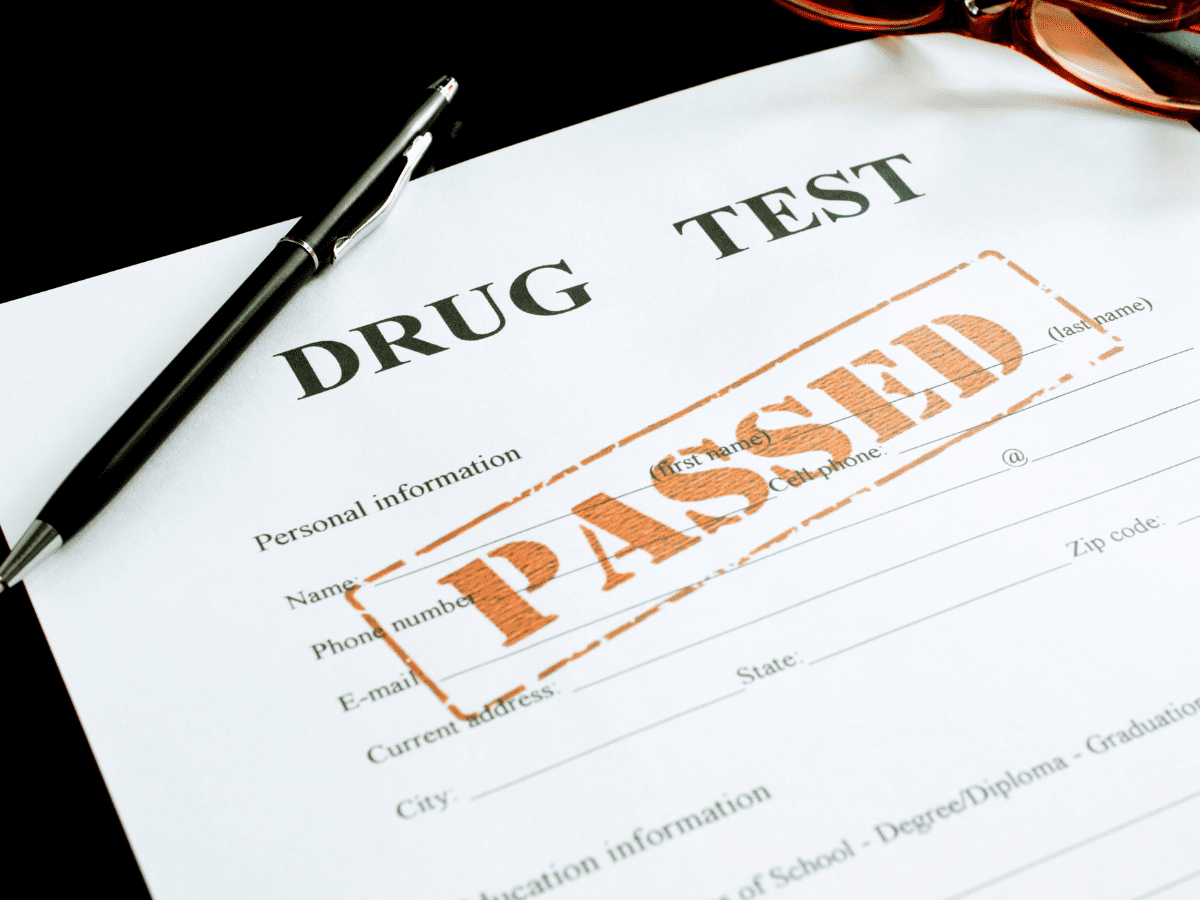
For many people, seeing a negative drug test result feels like the end of the conversation. Employers may assume the individual is completely drug-free, while employees may believe they’ve been cleared of any concern. But the reality is more nuanced.
A negative drug test result simply means no drugs were detected within the scope of that specific test, not that no drugs are present in the person’s system at all. Recognizing this helps employers and individuals feel more confident in interpreting results accurately.
At Test Smartly Labs, we regularly help employers and individuals across the Kansas City area understand what drug test results actually mean, and just as importantly, what they don’t mean. Understanding this distinction can prevent false assumptions, improve workplace safety, and lead to smarter testing decisions.
What a “Negative” Drug Test Result Really Means
A negative result indicates that the substances included in the test panel were not detected above the laboratory’s established cutoff levels at the time of testing.
That’s it.
It does not mean:
- The person has never used drugs
- The person isn’t currently using substances not included in the panel
- The person wasn’t impaired at a different time
- Every possible drug was tested for
Drug tests are designed to answer a specific question, not provide a complete picture of someone’s lifestyle or history.
Drug Tests Only Detect What They’re Designed to Detect
One of the most common misunderstandings about drug testing is the belief that a single test checks for “everything.” In reality, drug tests are built around panels, and each panel only screens for specific drug categories.
For example, a standard 5-panel drug test typically screens for:
- Marijuana (THC)
- Cocaine
- Amphetamines
- Opiates
- Phencyclidine (PCP)
If someone passes a 5-panel test, it means they tested negative for those five drug classes only. Substances outside that panel — such as certain prescription medications, synthetic drugs, or newer substances — may not be included at all.
A negative result reflects the panel used, not the absence of all drugs.
Detection windows
Detection windows are crucial because they determine how long After use a substance can be detected, affecting the interpretation of negative results and helping prevent misjudgments about recent use.
Drug tests are also limited by detection windows, which vary based on:
- The substance used
- Frequency of use
- Dosage
- Metabolism
- Type of test (urine, hair, saliva, nail)
Some substances leave the body quickly, while others remain detectable for weeks or months, depending on the testing use.
This means a person may:
- Test negative even if they used a substance days earlier
- Test negative if use occurred outside the detection window
- Test negative if the substance hasn’t yet metabolized to detectable levels
Timing plays a major role in the accuracy of drug testing.
Why a Negative Result Doesn’t Equal “No Impairment”
Drug tests detect past use, not real-time impairment. A negative test result does not guarantee that an individual was unimpaired during a specific incident or work shift.
This is why employers often use drug testing alongside other tools, such as:
- Reasonable suspicion observations
- Post-accident testing
- Supervisor training
- Workplace policies
Drug testing is one piece of a broader safety strategy — not the sole determinant of behavior or performance.
Instant Screens vs. Lab-Based Testing
Another factor that affects interpretation is the type of test performed. Instant or rapid screens are useful for quick decisions but are more limited. Lab-based testing, on the other hand, includes confirmatory testing and review by a Medical Review Officer (MRO), which adds accuracy, context, and fairness.
A negative lab-confirmed test result is far more defensible and reliable — but even then, it still reflects only what was tested for, within the applicable detection window.
Why Employers Should Be Cautious About Assumptions
For employers, assuming that a negative result means “no risk” can create blind spots. This is especially important in safety-sensitive industries where impairment — even from substances not included in a standard panel — can have serious consequences.
Understanding test limitations allows employers to:
- Choose the right panel for their workforce
- Adjust testing programs as risks evolve
- Avoid a false sense of security
- Make informed policy decisions
Selecting the appropriate panel matters just as much as performing the test itself.
What a Negative Test Does Provide
Despite its limitations, a negative drug test is still valuable. It confirms that:
- The individual passed the specific test ordered
- No drugs in that panel were detected above cutoff levels
- The testing process was properly followed
The key is to interpret the result accurately—not overextend its meaning.
How Test Smartly Labs Helps Clarify Results
At Test Smartly Labs, we prioritize education alongside testing. Our team helps employers and individuals understand:
- Which substances are included in each panel
- Detection windows and testing methods
- When expanded panels may be appropriate
- How lab confirmation and MRO review protect accuracy
We offer:
- DOT and non-DOT drug testing
- Lab-based confirmation with MRO review
- Walk-in testing with no appointment required
- Mobile and on-site testing options
- Employer consultation on panel selection
Our goal is not just to provide results, but to ensure those results are understood and used correctly.
Final Thoughts: A Negative Result Is Information, Not a Guarantee
A negative drug test result is a data point — not a definitive statement about someone’s overall drug use or behavior. Understanding its scope, limitations, and context leads to better decisions for employers and less confusion for individuals.
Drug testing works best when expectations are realistic, and education comes first.
📞 Call Test Smartly Labs: 816-777-2977
🌐 Visit: www.TestSmartlyLabs.com
🚶 Walk-In Locations: Kansas City, Independence, Overland Park
When accuracy and clarity matter, choose testing you can trust.