
Why Kidney Testing Matters
At Test Smartly Labs, we offer comprehensive kidney function testing to help detect issues early, prevent complications, and ensure your kidneys perform at their best.
Signs You Might Need a Kidney Test
Because kidney disease can be symptom-free in its early stages, routine screening is essential—especially for individuals with high blood pressure, diabetes, or a family history of kidney disease.
Common Symptoms of Kidney Problems
- Swelling in the legs, ankles, or face
- Fatigue or unexplained weakness
- Changes in urination, including frequency, foamy urine, or dark-colored urine
- Blood in the urine
- Difficulty concentrating or brain fog
- Persistent nausea or loss of appetite
- Muscle cramps or restless legs
- High blood pressure that is difficult to control
If you experience any of these symptoms, a kidney function test can help identify potential issues before they become more serious.
Comprehensive Kidney Tests Available at Test Smartly Labs
We offer a wide range of kidney function tests to evaluate how well your kidneys are filtering waste and maintaining balance in the body.
1. Kidney (Renal) Panel Basic
- Measures key kidney function markers, including blood urea nitrogen (BUN), creatinine, and electrolytes.
- Provides a general assessment of kidney function and detects early signs of kidney disease.
Best for: Routine kidney health screening and monitoring kidney function over time.
2. Kidney (Renal) Panel Ultimate
- Includes everything in the Basic Panel plus additional protein levels and filtration efficiency tests.
- Offers a more detailed analysis of kidney performance.
Best for: Individuals at higher risk of kidney disease, including those with diabetes or high blood pressure.
3. Kidney (Renal) Profile Comprehensive
- Includes BUN, creatinine, eGFR (glomerular filtration rate), uric acid, total protein, and urine protein levels.
- Provides a full-spectrum evaluation of kidney health and waste filtration.
Best for: Individuals experiencing symptoms of kidney dysfunction or those needing a detailed kidney health assessment.
4. BUN (Blood Urea Nitrogen) Test
- Measures the amount of nitrogen in the blood that comes from waste produced by protein metabolism.
- High BUN levels may indicate kidney disease, dehydration, or high protein intake.
Best for: Checking how efficiently the kidneys are filtering waste.
5. Creatinine, Serum
- A waste product from muscle metabolism filtered by the kidneys.
- Elevated creatinine levels may indicate reduced kidney function.
Best for: Monitoring kidney disease and evaluating overall kidney performance.
6. eGFR (Glomerular Filtration Rate)
- Estimates how well the kidneys filter blood by calculating creatinine levels in relation to age, sex, and race.
- A lower eGFR indicates declining kidney function and potential kidney disease.
Best for: Early detection of kidney disease and assessing filtration efficiency.
7. Cystatin C Blood Test
- Measures a protein that reflects kidney function independently of muscle mass.
- More sensitive than creatinine for detecting early kidney disease, especially in older adults.
Best for: Early-stage kidney disease detection and monitoring kidney function over time.
8. Uric Acid, Serum
- Measures uric acid levels, a waste product from the breakdown of purines found in food.
- High levels may indicate kidney dysfunction, gout, or metabolic disorders.
Best for: Individuals with a history of kidney stones, gout, or metabolic syndrome.
9. Protein and Creatinine (Urine Test)
- Measures protein and creatinine levels in the urine.
- High protein levels in urine may indicate kidney disease or damage.
Best for: Evaluating protein leakage from the kidneys, an early sign of kidney dysfunction.
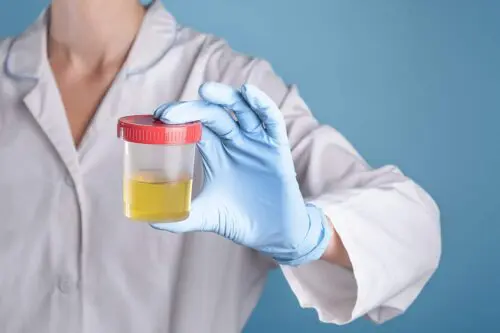
10. Urinalysis, Complete with Microscopic Examination
- Detects protein, blood, glucose, and bacteria in urine.
- Helps diagnose kidney infections, kidney stones, and early kidney disease.
Best for: A general kidney and urinary tract health check.
11. Protein, Total, Serum
- Measures the total amount of protein in the blood, including albumin and globulin.
- Low protein levels may indicate kidney or liver disease, while high levels could signal inflammation or dehydration.
Best for: Monitoring kidney and liver health.
Who Should Get Kidney Testing?
Regular kidney testing is recommended for individuals who:
- Have diabetes or high blood pressure, as these are major risk factors for kidney disease
- Have a family history of kidney disease
- Experience frequent kidney stones or urinary tract infections
- Have swelling in the legs, ankles, or face
- Are over 60 years old, as kidney function naturally declines with age
- Have heart disease or other chronic conditions
- Experience unexplained fatigue, nausea, or changes in urination
Early detection of kidney disease allows for better treatment options and lifestyle changes to prevent further damage.
Why Choose Test Smartly Labs for Kidney Testing?
- Fast and Accurate Results – Most results are available within 24–72 hours.
- No Doctor’s Referral Needed – Walk in or schedule an appointment online.
- Confidential and Private Testing – Your health information is secure.
- Comprehensive Kidney Panels Available – Get all the tests you need in one place.
Find a Test Smartly Labs location near you and book your kidney test today.
Take Charge of Your Kidney Health Today
Your kidneys work continuously to keep your body balanced and free of toxins, but they don’t always give warning signs when something is wrong. Regular kidney testing helps catch problems early, allowing for better treatment and a healthier future.
-
Popular$89
A focused kidney function blood panel measuring albumin, BUN, creatinine, glucose, electrolytes, and more — an affordable, convenient renal health check for routine wellness monitoring. Review results with your provider. Free blood draw, no collection fee.
-
Popular$149
Kidney health profile pairing blood creatinine with eGFR and urine albumin-to-creatinine ratio — the guideline-recommended combination for detecting early kidney disease. Review results with your provider. Free blood draw, no collection fee.
-
Popular$44
Estimates kidney filtering ability (eGFR) — the standard test to detect and stage kidney disease early. Free blood draw, no collection fee.
-
Popular$44
The Uric Acid Blood Test measures serum uric acid levels to help evaluate gout, kidney-stone risk, and uric-acid-lowering therapy. Useful for joint pain or stone history. Free blood draw, no collection fee.
-
$69
Random urine albumin-to-creatinine ratio (UACR) — the standard early screen for kidney damage from diabetes or high blood pressure, from one urine sample with no timed collection. One all-in price, free specimen collection at our lab, no collection fee.
-
$44
Measures blood urea nitrogen (BUN) — a core kidney-function marker that also relates to hydration and protein intake. Free blood draw, no collection fee.
-
$79
Measures Blood Urea Nitrogen (BUN) and creatinine together for a focused look at kidney function, commonly ordered for routine screening and monitoring. Free blood draw, no collection fee.
-
$44
A complete urinalysis with microscopic exam — chemical dipstick plus microscopy screening for UTIs, kidney disease, diabetes, and urinary symptoms. Detects protein, glucose, blood, bacteria, and more. Free specimen collection, no collection fee.
-
$44
Creatinine blood test measures serum creatinine, a key kidney-function and renal-health marker and the basis for eGFR. Ideal for routine and follow-up kidney screening. Free blood draw, no collection fee.
-
$119
The Cystatin C blood test measures a protein cleared by the kidneys, a sensitive marker of kidney filtration used to estimate eGFR when more precise filtration assessment is needed. Free blood draw, no collection fee.
-
$179
Our most comprehensive kidney function panel, combining blood and urine markers — creatinine, eGFR, albumin-to-creatinine ratio, BUN, electrolytes and more — for complete renal health screening in one visit. Free blood draw, no collection fee.
-
$44
Measures blood phosphorus, a mineral that partners with calcium for bone health and reflects kidney and metabolic balance. Free blood draw, no collection fee.
-
$99
Measures protein and creatinine in urine and reports the protein-to-creatinine ratio, commonly used to evaluate kidney health. Free specimen collection, no collection fee.
-
$44
Measures total blood protein (albumin + globulin), a standard part of metabolic panels used to evaluate liver, kidney, nutrition, and immune health. Free blood draw, no collection fee.