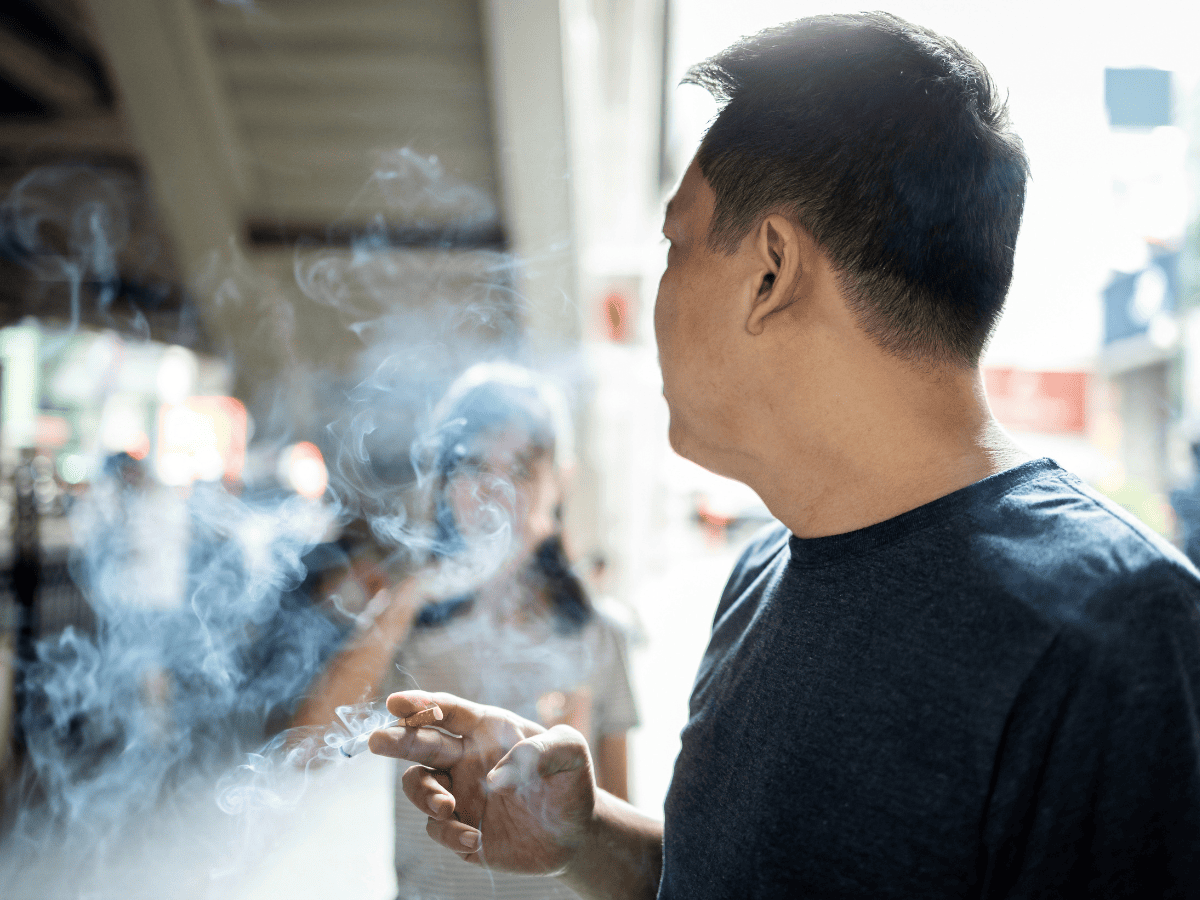
Imagine you’re in a room where someone is smoking marijuana. You’re not participating, but you start to wonder—could this exposure cause you to fail a drug test? This is a common concern, especially in today’s world, where cannabis use is more prevalent and socially accepted. With workplace and legal drug testing becoming increasingly rigorous, understanding how secondhand smoke might impact test results is essential.
In this blog, we’ll dive into the science behind drug detection, explore whether secondhand smoke can lead to a positive drug test, and provide practical advice for those worried about unintentional exposure.
Whether you’re an employee subject to regular testing, a parent concerned about your child’s exposure, or simply curious, this article will help clarify the facts and myths surrounding secondhand smoke and drug testing.
Understanding Secondhand Smoke
Secondhand smoke refers to the involuntary inhalation of smoke from someone else’s smoking activity. This exposure can happen in various environments, such as social gatherings, public spaces, or at home. Secondhand smoke is not limited to tobacco; it also includes smoke from marijuana and other substances.
Primary and Secondary Sources:
- Primary Source: The direct smoke exhaled by a smoker.
- Secondary Source: The sidestream smoke from a burning substance, like the tip of a joint or cigarette.
Common Drugs in Question:
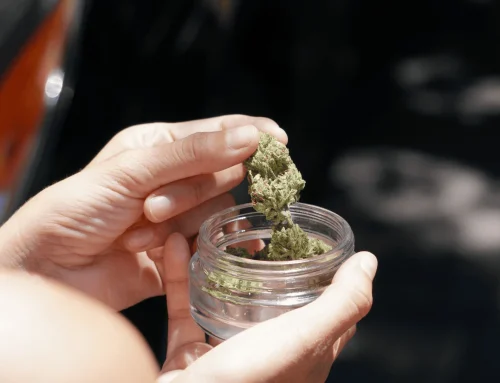
- Marijuana: The most common concern related to secondhand smoke and drug testing revolves around marijuana. As cannabis becomes more socially accepted and legalized in various regions, the possibility of being around it passively increases. This raises concerns about whether passive exposure could lead to detectable levels of THC (the psychoactive component in marijuana) in your system.
Why It Matters: Understanding secondhand smoke is crucial because it affects not just the person smoking but also those around them. The question of whether this exposure can result in a failed drug test is vital for individuals subject to random or scheduled drug screenings. By knowing the basics of secondhand smoke, you can better assess the risks and take steps to protect yourself.
How Drug Tests Work
To understand whether secondhand smoke can cause a failed drug test, it’s essential to know how drug tests function. Drug tests are designed to detect the presence of specific substances or their metabolites in your body. The most common types of drug tests include:
- Urine Tests: These tests detect drug metabolites, the byproducts of drug breakdown in the body. Urine tests are the most commonly used and can detect recent drug use, typically within a few days.
- Hair Tests can detect drug use over a longer period of time, up to 90 days. They measure drug molecules in the hair shaft.
- Saliva Tests: These tests detect the parent drug rather than metabolites, providing a shorter detection window, usually within a few hours to a couple of days after use.
- Nail Tests: With the most extended detection window, these tests can look for exposure for up to 6-months. They are very accurate and can detect drug exposure.
- Blood Tests: Blood tests measure the actual presence of drugs in the bloodstream and are usually used when recent use needs to be confirmed, such as in cases of impairment.
Sensitivity of Drug Tests: Drug tests are designed with specific thresholds to determine whether the amount of a substance in your system is enough to be considered a positive result. These thresholds distinguish between active use and mere trace exposure, like what might occur from secondhand smoke. For example, in urine tests, the threshold for THC is typically set high enough that secondhand exposure alone would not usually result in a positive test.
Understanding the types of drug tests and their sensitivity helps assess the likelihood of failing a drug test due to secondhand smoke exposure. It is essential to recognize that these tests are generally designed to detect active, intentional use rather than incidental exposure.
Scientific Evidence on Secondhand Smoke and Drug Testing
When it comes to the risk of failing a drug test due to secondhand smoke, scientific studies provide some insight. Research has shown that while it’s possible to detect trace amounts of drugs like THC (the active compound in marijuana) in the body after exposure to secondhand smoke, the levels are typically very low.
Critical Studies on Secondhand Exposure:
- Low THC Levels: Studies indicate that secondhand exposure in a well-ventilated area generally does not result in THC levels high enough to trigger a positive drug test. In most cases, the concentrations are below the detection thresholds set by standard drug tests.
- High Exposure Scenarios: In extreme cases, such as being in a small, unventilated room with heavy marijuana smoke for an extended period, there is a slightly higher risk of detectable levels. However, even in these scenarios, it is still rare for the levels to reach the threshold that would cause a positive test result.
Factors Influencing Results:
- Proximity and Duration: The closer you are to the source of the smoke and the longer the exposure, the higher the likelihood of absorbing detectable amounts of the drug.
- Ventilation: The environment plays a significant role; poor ventilation increases the concentration of secondhand smoke, raising the potential risk.
The scientific evidence suggests that while the risk exists, it is generally low and dependent on the specific exposure circumstances. Understanding these factors can help you assess your risk and take appropriate precautions if you are subject to drug testing.
Practical Scenarios and Risk Assessment
In real-world situations, the risk of failing a drug test from secondhand smoke is generally low, but it depends on various factors. Here are some scenarios to consider:
- Social Gatherings: If you’re in a well-ventilated area where marijuana is being smoked, the risk of absorbing enough THC to fail a drug test is minimal. However, in a small, enclosed space with heavy smoke, the risk slightly increases.
- Workplace Exposure: Employees working in environments where drug use might occur should be cautious, especially if the exposure is frequent or prolonged.
- Proximity to Smokers: Sitting or standing very close to someone actively smoking increases your exposure, but typically not enough to cause a positive test unless the exposure is intense and prolonged.
Risk Mitigation:
- Avoidance: Stay away from areas where drugs are being used, especially in enclosed spaces.
- Ventilation: If you cannot avoid the area, ensure good ventilation to disperse the smoke.
- Personal Precautions: If you know you’ll be tested soon, it’s best to avoid situations where secondhand smoke exposure might occur ultimately.
By understanding these scenarios and taking preventive measures, you can minimize the risk of secondhand smoke affecting your drug test results.
How Test Smartly Labs Help in Drug Testing in Kansas & Missouri?
At Test Smartly Labs, we understand the concerns surrounding drug testing, especially regarding unintentional exposure like secondhand smoke. Our drug testing services are designed to provide accurate and reliable results, giving you peace of mind whether you’re facing workplace, legal, or personal testing.
Comprehensive Testing: We offer a wide range of drug testing options, including urine, hair, saliva, and blood tests, ensuring that we can meet your specific needs. Each test is conducted with precision and confidentiality.
Accurate Results: Our tests are designed with appropriate thresholds to distinguish between actual drug use and trace amounts from environmental exposure. This means you can trust the results to reflect actual drug use rather than incidental contact.
Expert Support: Our team is here to guide you through the testing process, answer any questions, and explain your results clearly. Whether you’re concerned about secondhand smoke or another exposure, we’re here to help.
Why Test Smartly Labs for Drug Testing in Kansas & Missouri?
If you’re worried about potential exposure to secondhand smoke or need a reliable drug test for any reason, visit your nearest Test Smartly Labs location or book an appointment online. Early and accurate testing is vital to ensuring your health and compliance.
By choosing Test Smartly Labs, you’re ensuring you receive the most accurate and reliable testing available, helping you confidently navigate any concerns about secondhand smoke.