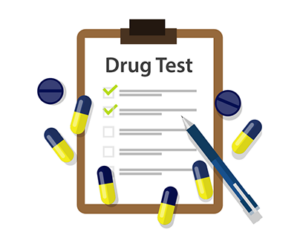
Drug and Alcohol testing technology has made significant strides since its inception. From simple immunoassay tests to sophisticated chromatography and mass spectrometry, the field has evolved to offer more accurate and reliable results. This progression is crucial as it enhances the ability of organizations to ensure a safe and compliant workplace, particularly in industries where safety is paramount.
Impact Across Various Sectors
The advancements in drug testing technology are not only vital for workplaces but also play a critical role in healthcare, sports, addiction treatment, social services, and law enforcement. In healthcare, improved drug testing techniques help in monitoring substance abuse and managing treatment plans. In sports, they ensure fairness and in law enforcement, they aid in better enforcement of drug-related laws.
Modern drug testing technologies offer faster results and can detect a wider range of substances with greater sensitivity. This is essential in today’s fast-paced world where timely and accurate testing can significantly impact decision-making processes in various settings.
The Development of Drug Testing Technologies
Drug testing began as a simple yet critical process aimed at detecting substance use, primarily in clinical and forensic settings. Early methods were often limited in scope and accuracy, focusing on easily detectable substances and offering results that could sometimes be ambiguous.
The evolution of drug testing technology can be marked by several key milestones:
- Introduction of Immunoassays: In the mid-20th century, immunoassays became a foundational technique, allowing for the detection of specific drugs through antigen-antibody reactions. This method significantly improved the specificity of drug tests.
- Advancements in Chromatography: Techniques like gas chromatography and later, liquid chromatography, revolutionized drug testing by separating complex mixtures and identifying individual substances with high precision.
- Mass Spectrometry Breakthroughs: The coupling of mass spectrometry with chromatography techniques provided unmatched accuracy in identifying and quantifying drugs, even at very low concentrations.
These technological advancements have transformed drug testing from a qualitative assay to a quantitative analytical science. Today, drug testing is not just about detecting the presence of substances but also involves quantifying levels, understanding patterns of use, and differentiating between similar compounds.
Recent Technological Advances in Drug Testing
Recent years have witnessed significant technological advancements that have reshaped the landscape of drug testing. These innovations range from digital integration to the automation of sample handling and analysis, making drug testing more efficient and less prone to human error.
Key Technological Innovations
- Digital Integration: The adoption of digital technologies in drug testing has streamlined data management, ensuring that results are both accessible and secure. This integration facilitates faster communication between testing facilities and clients, reducing the turnaround time for test results.
- Automation in Sample Processing: Automation technologies have been implemented to handle samples more efficiently, minimizing the risk of contamination and human error. This has significantly improved the reproducibility and accuracy of drug tests.
- Non-Invasive Testing Methods: Advances have led to the development of non-invasive testing methods, such as sweat patches and hair analysis, which are not only less intrusive but also capable of detecting drug use over a longer period compared to traditional urine tests.
These technological advances have not only enhanced the precision and reliability of drug tests but have also expanded the scope of detectable substances. Modern drug testing can now identify synthetic opioids, designer drugs, and other novel psychoactive substances with high accuracy.
Impact of New Technologies on Drug Testing Efficiency
Recent advancements in drug testing technology have significantly enhanced the accuracy and speed of test results. Innovations like microfluidics and biosensors have led to the development of compact, portable testing devices that can deliver results in minutes instead of hours or days. This rapid turnaround is crucial for time-sensitive environments such as emergency rooms or law enforcement operations.
The integration of advanced analytical techniques, such as tandem mass spectrometry, has improved the reliability of drug tests by reducing false positives and false negatives. This precision ensures that individuals are more accurately diagnosed and treated or appropriately handled in legal contexts.
Technological advancements have also broadened the scope of detectable substances, allowing for the identification of newer synthetic drugs and complex biomarkers associated with drug use. This capability is essential in keeping up with the rapidly changing landscape of substance abuse, where new drugs can emerge quickly.
Automation and digital reporting have streamlined many aspects of the drug testing process, reducing labor costs and the potential for human error. This efficiency not only cuts operational costs but also allows testing facilities to handle larger volumes of tests with greater ease.
Enhancing Diagnostic Accuracy with AI
AI’s involvement in drug testing has revolutionized the way data is analyzed and interpreted. By utilizing deep learning algorithms, AI systems can sift through complex layers of data to detect nuances and correlations that may be invisible to human analysts. This level of detail enhances diagnostic accuracy, ensuring that the outcomes of drug tests are more reliable and informative.
AI also allows for the customization of testing protocols based on historical data and emerging trends. This tailored approach not only improves the effectiveness of tests but also ensures that they are up-to-date with the latest drug consumption patterns, enhancing both preventive and diagnostic efforts in drug testing.
Predictive Analytics in Substance Abuse
With AI’s predictive analytics, institutions can better forecast and mitigate potential substance abuse problems before they escalate. This proactive stance in public health and safety can significantly decrease the incidence of drug-related issues in communities and workplaces, leading to a healthier societal environment.
AI’s predictive capabilities are also crucial in optimizing treatment and intervention strategies. By predicting potential relapse risks or identifying at-risk individuals, healthcare providers can customize interventions that are more likely to succeed, thereby improving patient outcomes and reducing the burden on healthcare systems.
Streamlining Operations and Reducing Errors
The integration of AI in drug testing labs automates routine tasks, such as sorting data and managing test queues, which traditionally consume considerable time and resources. This automation allows lab technicians to focus on more critical aspects of drug testing, such as quality control and result analysis.
AI systems are self-improving; they continuously learn from new data and refine their processes. This aspect of machine learning ensures that drug testing methodologies are always at the cutting edge, further reducing errors and enhancing the efficiency of drug testing operations.
Legal and Ethical Considerations of Advanced Drug and Alcohol Testing Technologies
As drug and alcohol testing technology evolves, so too does the legal framework that governs its use. Companies and testing facilities must stay abreast of both local and international laws that impact drug testing protocols. Compliance with regulations such as the Americans with Disabilities Act (ADA) and the Health Insurance Portability and Accountability Act (HIPAA) in the U.S., or similar legislation globally, ensures that testing practices are legally defensible and respect privacy rights.
1. Ethical Implications of Drug Testing
Advanced drug testing technologies raise significant ethical questions, particularly around privacy and consent. The capability to detect substances with high precision often means more sensitive personal information is handled, which can increase the risk of data breaches or misuse. Ethical practices must ensure that all persons subjected to drug tests are treated fairly and that their data is protected with the utmost security measures.
2. Impact of Technology on Employee Rights
Technology’s role in drug testing also intersects with employee rights. Employers must balance their need for a safe workplace with respect for employee privacy and dignity. This includes considerations about when and how tests are administered, and how results are used in making employment decisions. Transparent policies and clear communication with employees about drug testing protocols are essential for maintaining trust and morale.
3. Technological Fairness and Accessibility
Ensuring that new drug testing technologies are accessible and equitable is another critical ethical concern. Technological advances must not disproportionately affect or exclude any groups within the workforce. Moreover, the accuracy of new testing methods must be consistently verified across different populations to prevent any bias or errors that could impact certain individuals unfairly.
Test Smartly Labs’ Implementation of Advanced Technology
Test Smartly Labs incorporates advanced technologies to enhance the accuracy and efficiency of drug testing. They employ advanced equipment and methods to ensure their services meet the highest standards of quality and compliance.
- Cutting-Edge Equipment: Utilization of LC-MS/MS for precise substance detection.
- Client Service Enhancement: Integration of digital platforms for efficient sample processing and results delivery.
- Research and Development: Continuous involvement in R&D to stay ahead of technological advancements.
- Staff Training: Comprehensive training programs to keep staff updated on the latest drug testing techniques.
By integrating these technologies, Test Smartly Labs not only improves the reliability of their testing services but also enhances the overall client experience, ensuring timely and secure access to test results.
Future Trends and Predictions in Drug Testing Technology
The landscape of drug testing technology is rapidly evolving, driven by continuous advancements and innovations. As we look to the future, several trends are likely to shape the next generation of drug testing methods:
- Increased Use of Wearable Technology: Wearables that can monitor and detect substance levels in real-time may become more common, offering continuous assessment without invasive testing.
- Expansion of Point-of-Care Testing: Portable and easy-to-use drug testing kits will likely become more prevalent, allowing for immediate results in various settings outside traditional labs.
- Greater Emphasis on Molecular Biomarkers: Research might focus more on identifying specific biomarkers that indicate substance use, providing more precise and early detection.
- Integration with Blockchain for Data Security: As data privacy concerns grow, the use of blockchain technology to secure and manage test results transparently and tamper-proof could become a standard practice.
Conclusion:
The advancements in drug testing technology discussed in this blog not only highlight significant strides in scientific and technical capabilities but also underscore the ongoing commitment to enhancing safety, accuracy, and efficiency in substance detection. These developments offer profound benefits across multiple sectors, including healthcare, law enforcement, and corporate environments, ensuring that organizations can uphold safety and compliance standards while addressing the challenges posed by substance abuse.
Why Choose Test Smartly Labs?
As we embrace these technological advances, it’s crucial for organizations and individuals to stay informed and utilize top-tier testing services to ensure best practices in drug testing.
Test Smartly Labs remains at the forefront of adopting and integrating these advanced technologies, offering superior testing services that meet the current and future needs of their clients.